NORMANDY ON 9/11—TO THE FIRST RESPONDERS, EVERYWHERE
On this last day of our visit to the British Isles, I am going to share some musings about heroes—and I want to start by honoring one whom I know pretty well.
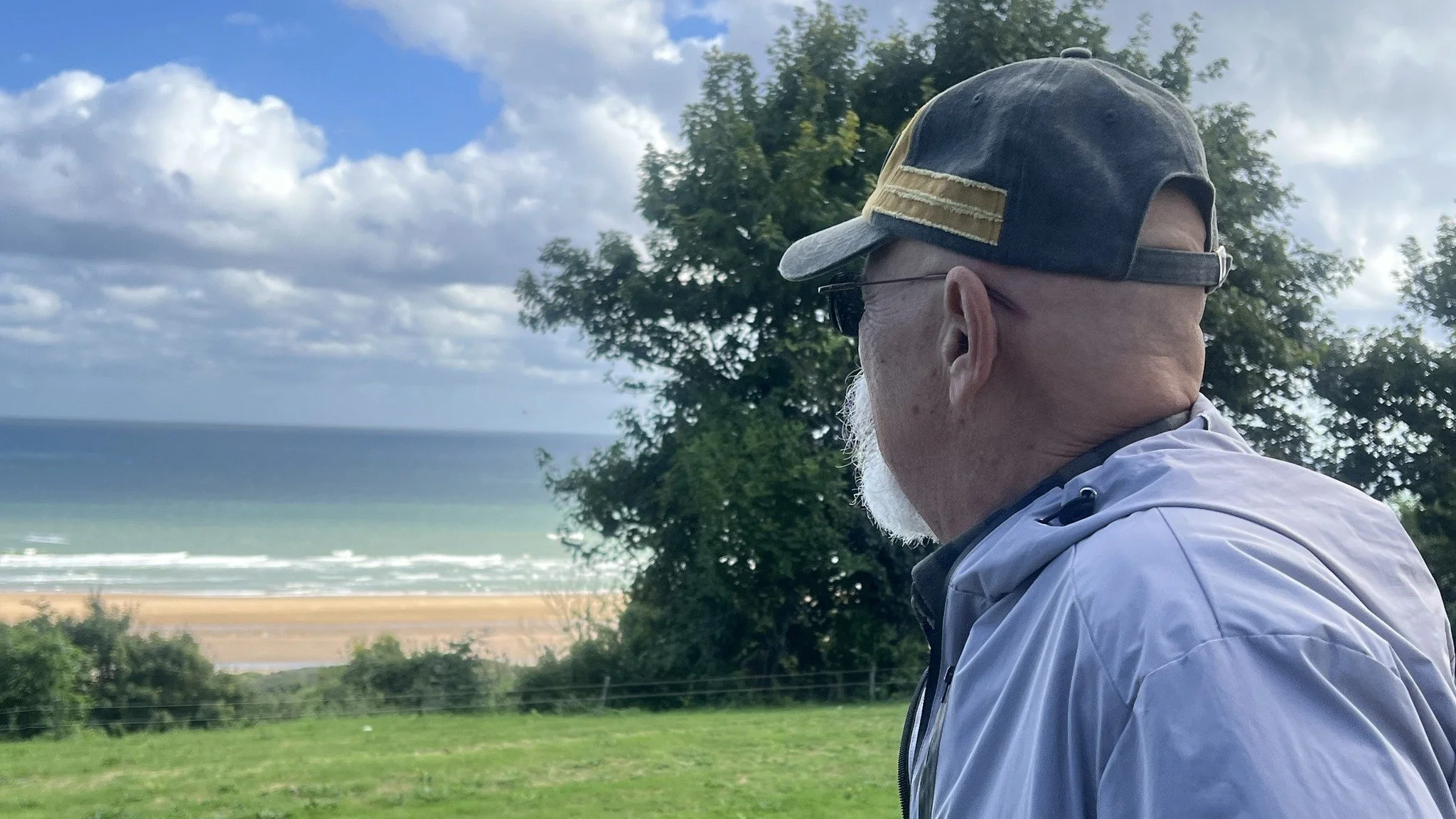
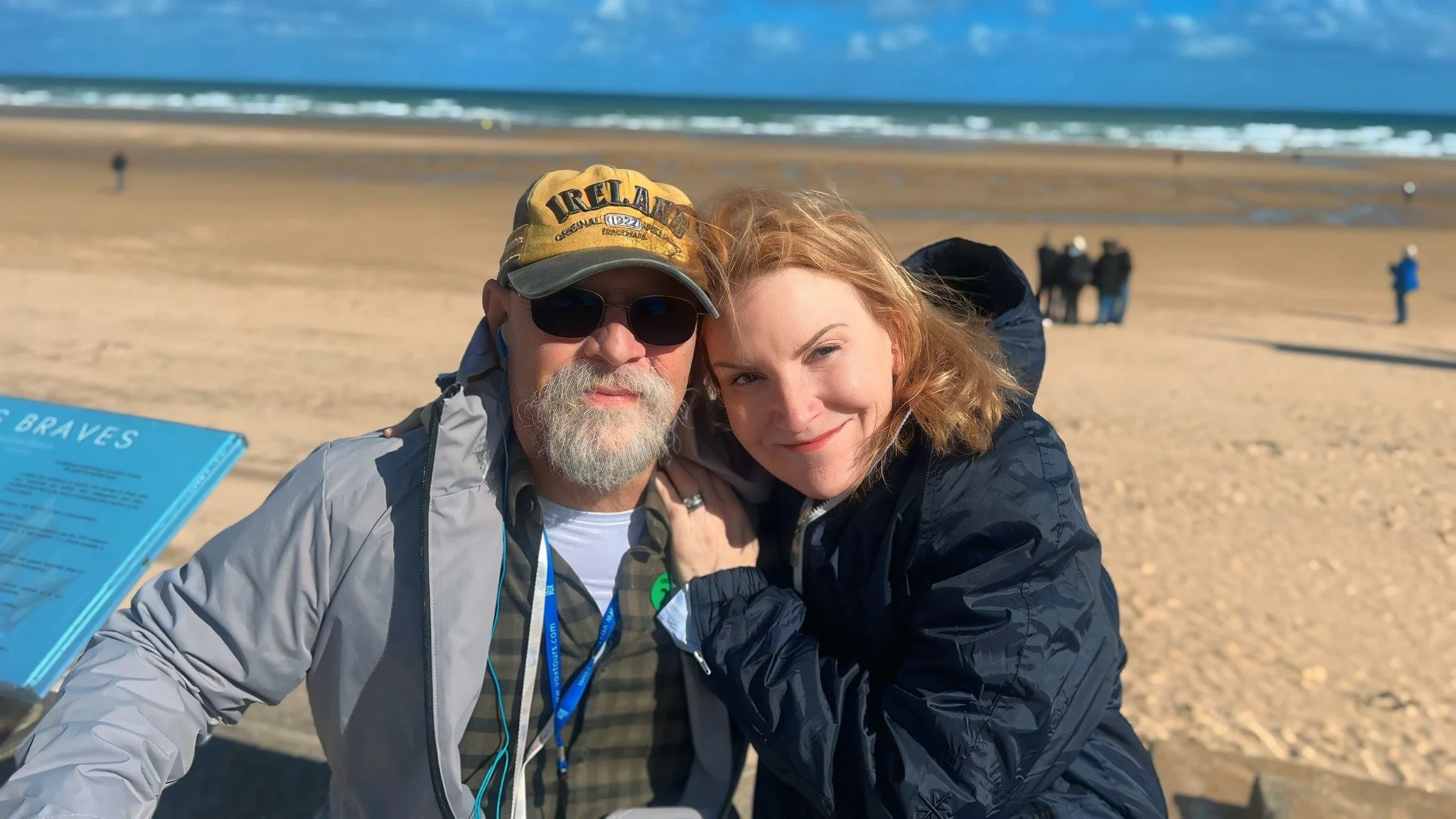
Photo #1 is my husband, Dr. George Scheff. In this photo, he’s overlooking Omaha Beach. George found our visit yesterday to the American Cemetery at Normandy, France to be especially meaningful. It was his first trip to Normandy, but figuratively speaking, he’s been there before.
George doesn’t talk about it much, but he is a decorated Vietnam veteran. He earned a Bronze Star for his work with the Viet Namese, including providing wells and helping to build schools for local villagers during his two tours of duty in Special Forces. I’m starting with this today because I want him (and those who read my posts) to know that I’m proud of him and his service. And I don’t say that often enough.
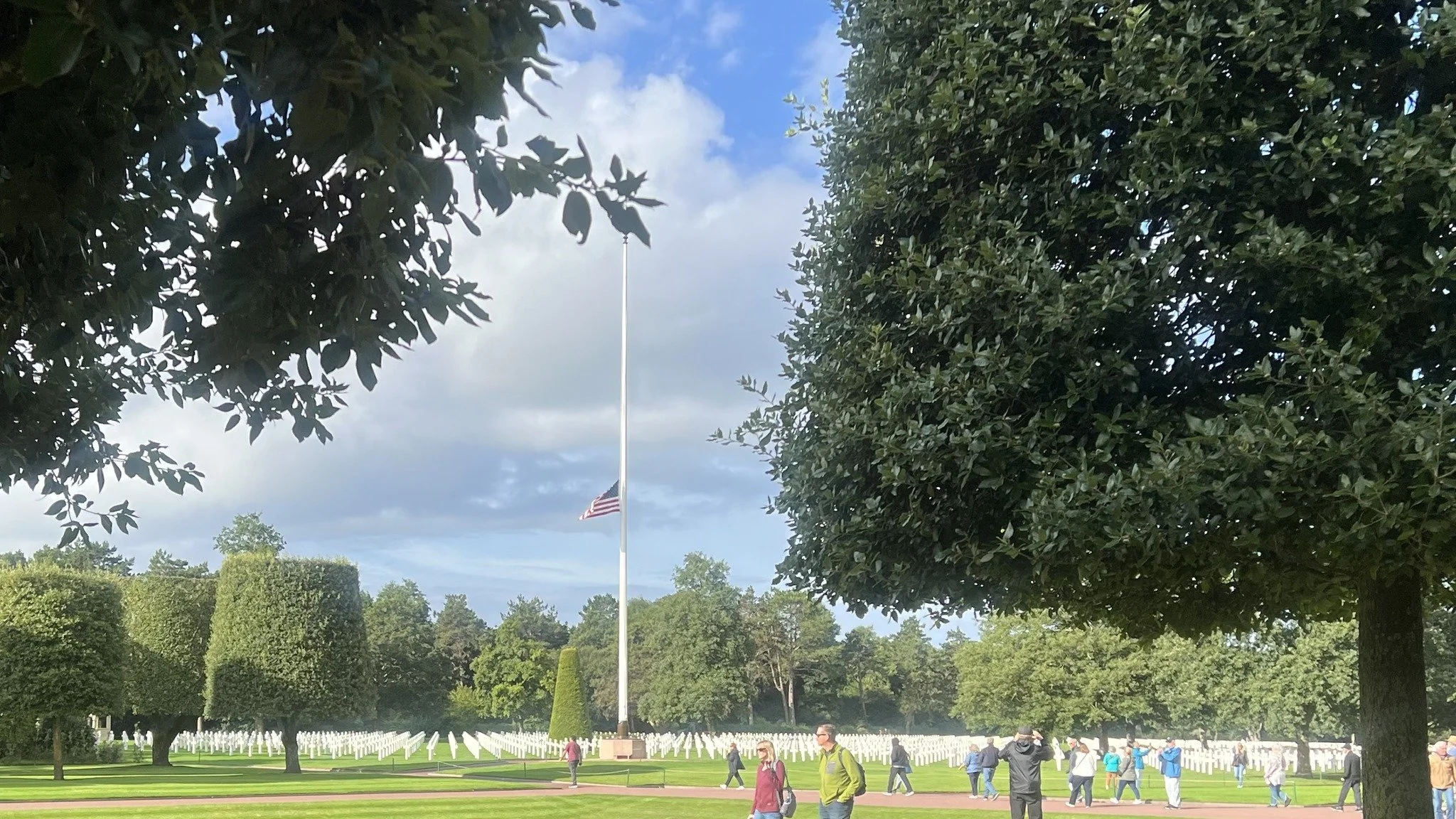
Photo 2: Visiting the Normandy American cemetery is deeply moving under any circumstances, but to visit there on 9/11—with the American flag flying at half-mast, as in the photo—is an additional reminder of all those who die in the wake of conflict, and all the first responders who rush to save them.
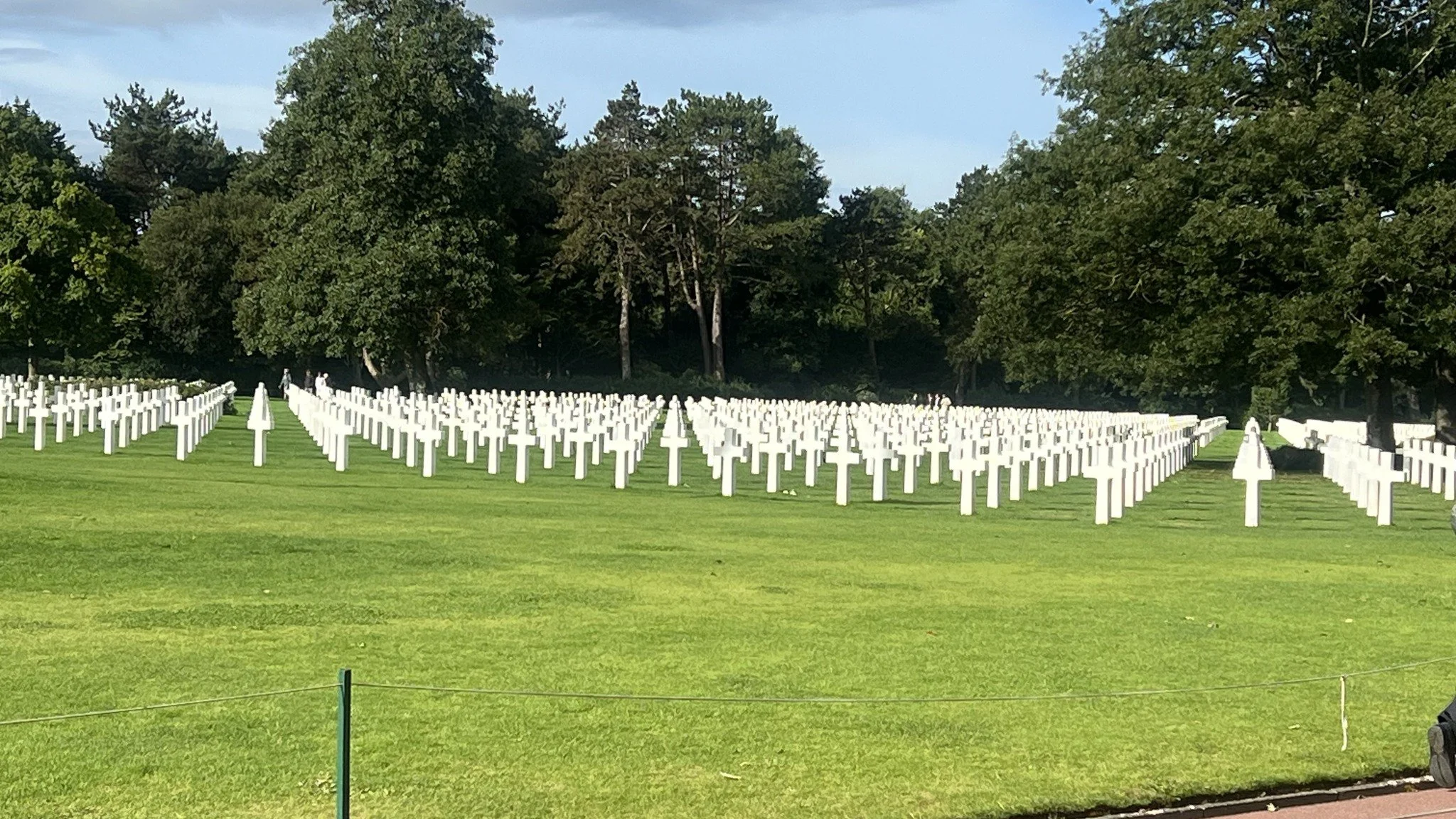
Photo 3: The first sight of the grounds evokes a common thought among everyone who visits: So. Many. Graves. Nearly 9,400 people are buried here, including 307 unknowns, 44 sets of brothers, a father and son, four Medal of Honor recipients, President Theodore Roosevelt’s son and four American women. And the graves here are only part of the story—they only represent about 39% of the casualties. (The others were repatriated home, at the request of their families, for their burials.)
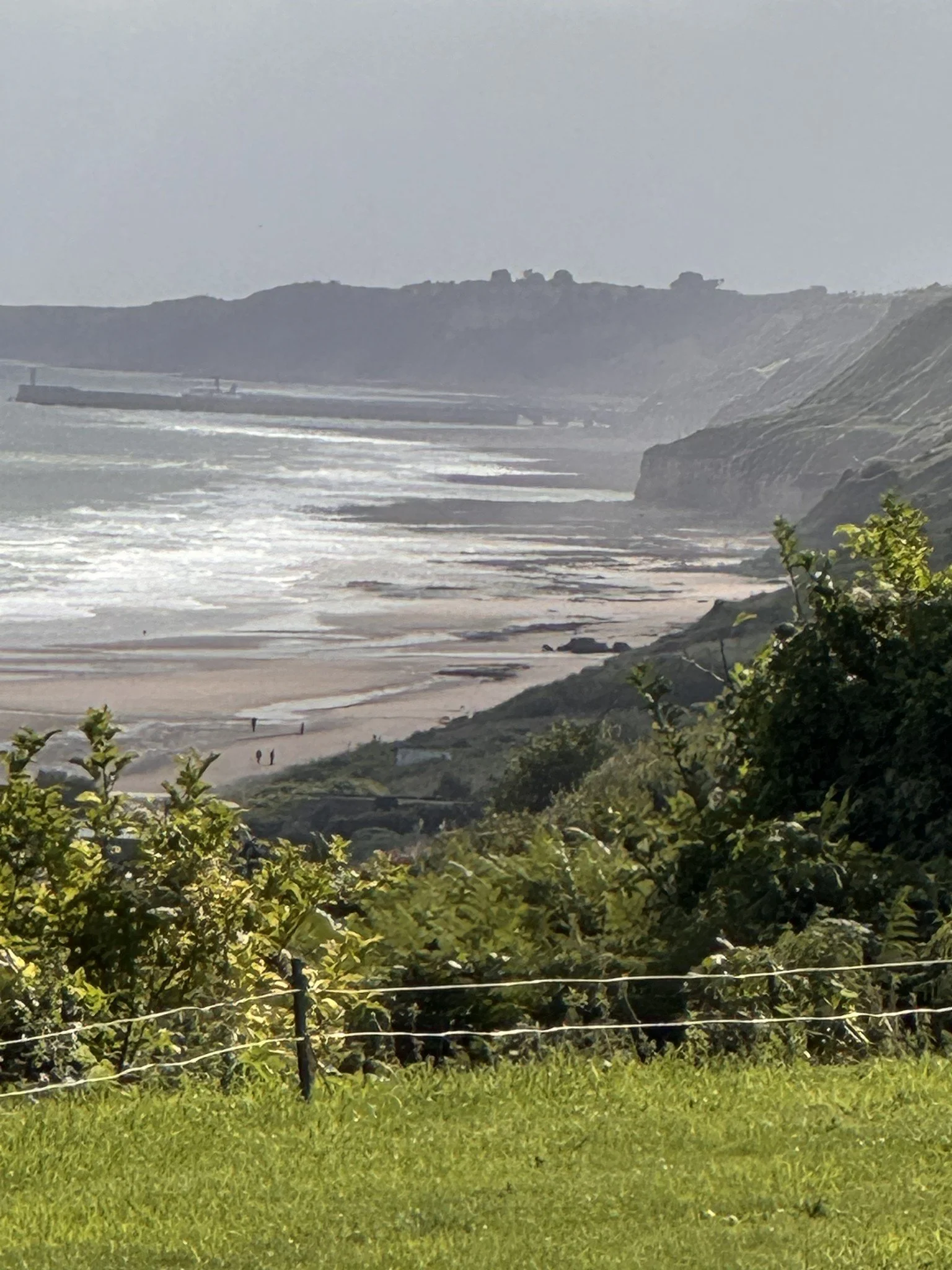
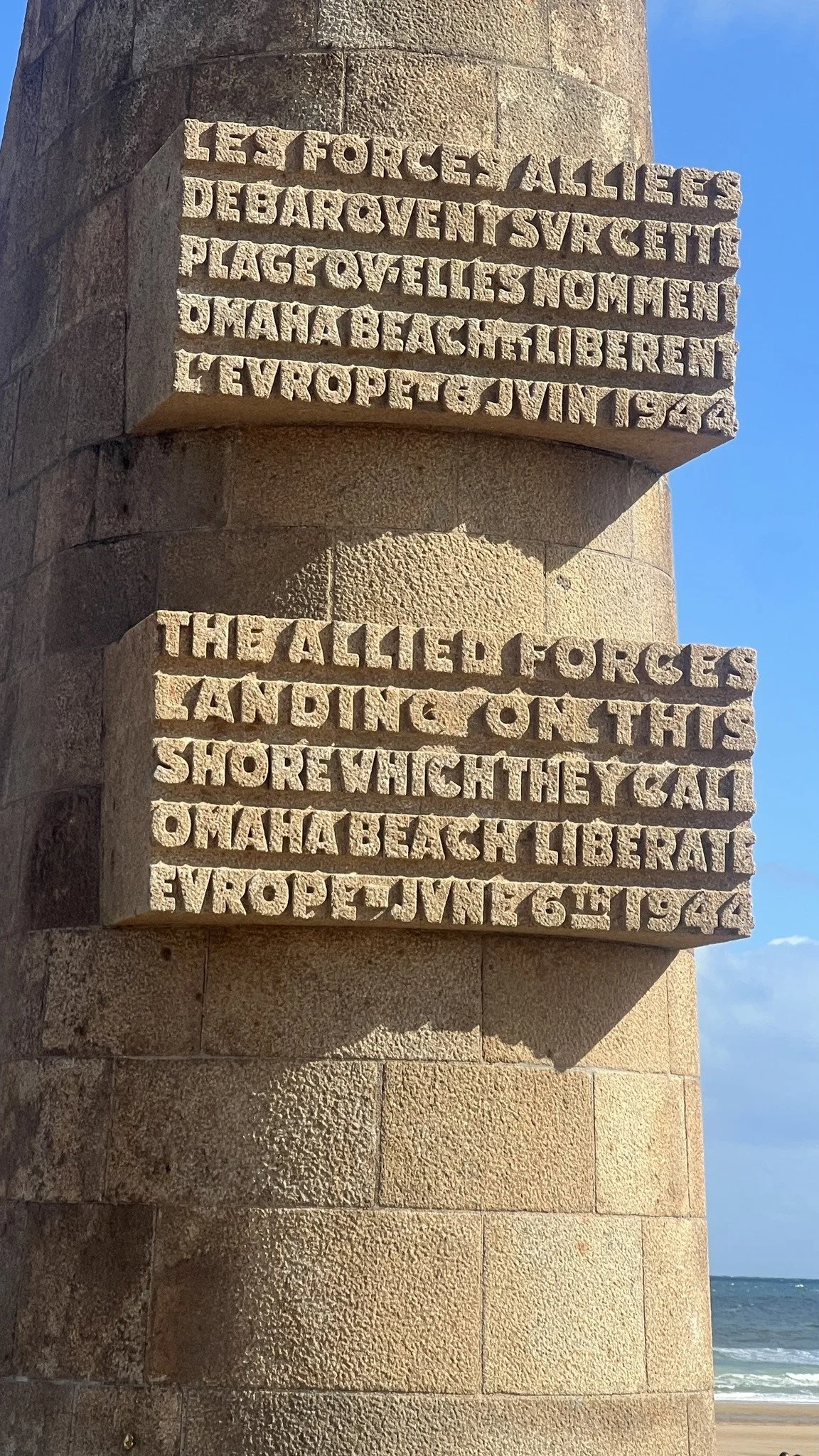
Photo 4: The cemetery grounds are spread across a bluff overlooking Omaha Beach, the best-known of the landing beaches of the Normandy Invasion. Nearly all those buried there were killed during the invasion, which began June 6, 1944, when the Allied forces invaded Normandy, launching the largest amphibious attack in history.
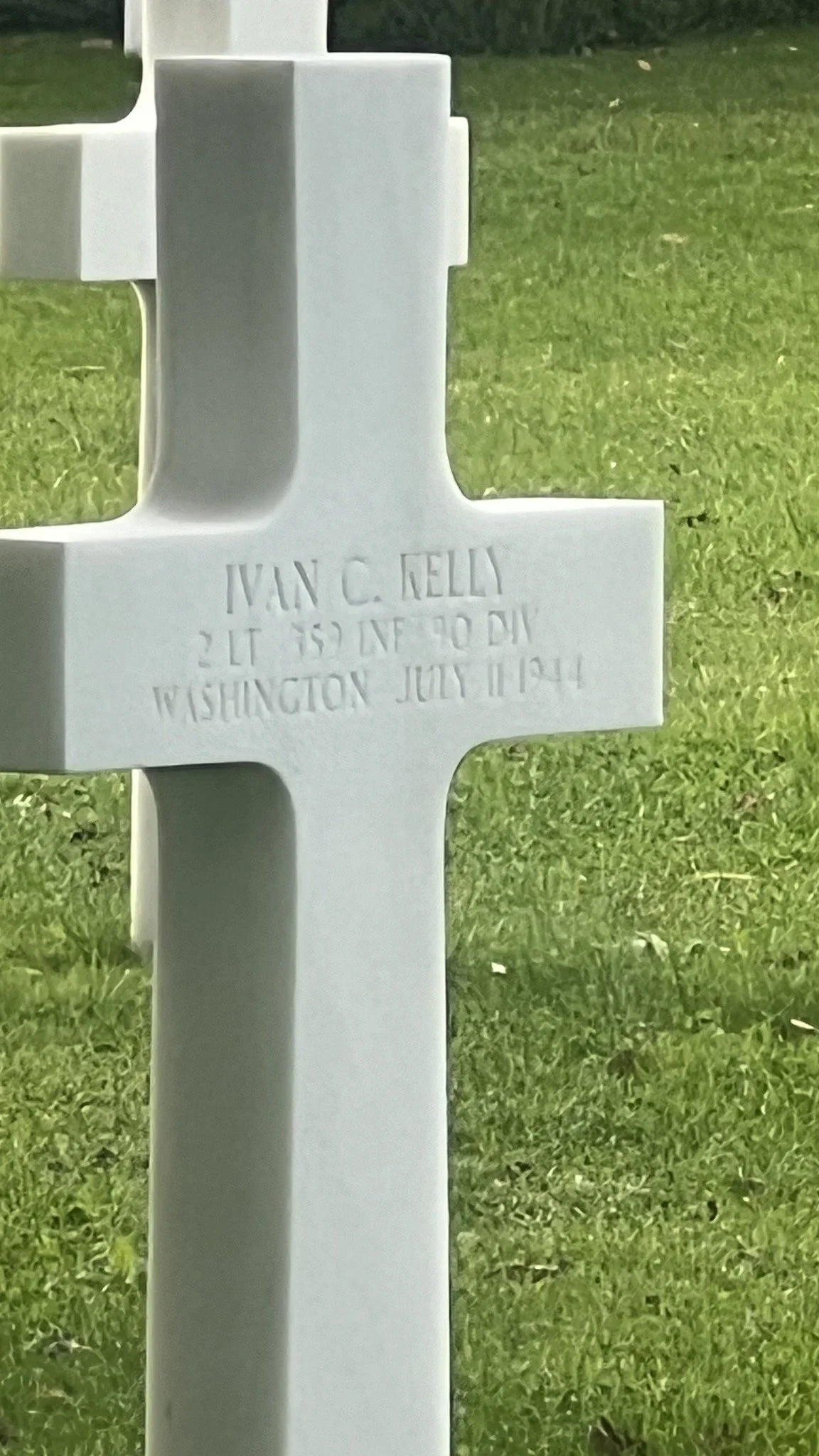
Photo 5: The thousands of graves are marked with a simple engraving of the soldier’s name, rank, place of birth, and place of death. I found it touching that the very first grave I photographed (chosen because it was in the most convenient area with the best light) was a soldier with the last name of “Kelly”—which is my mother’s family’s name.
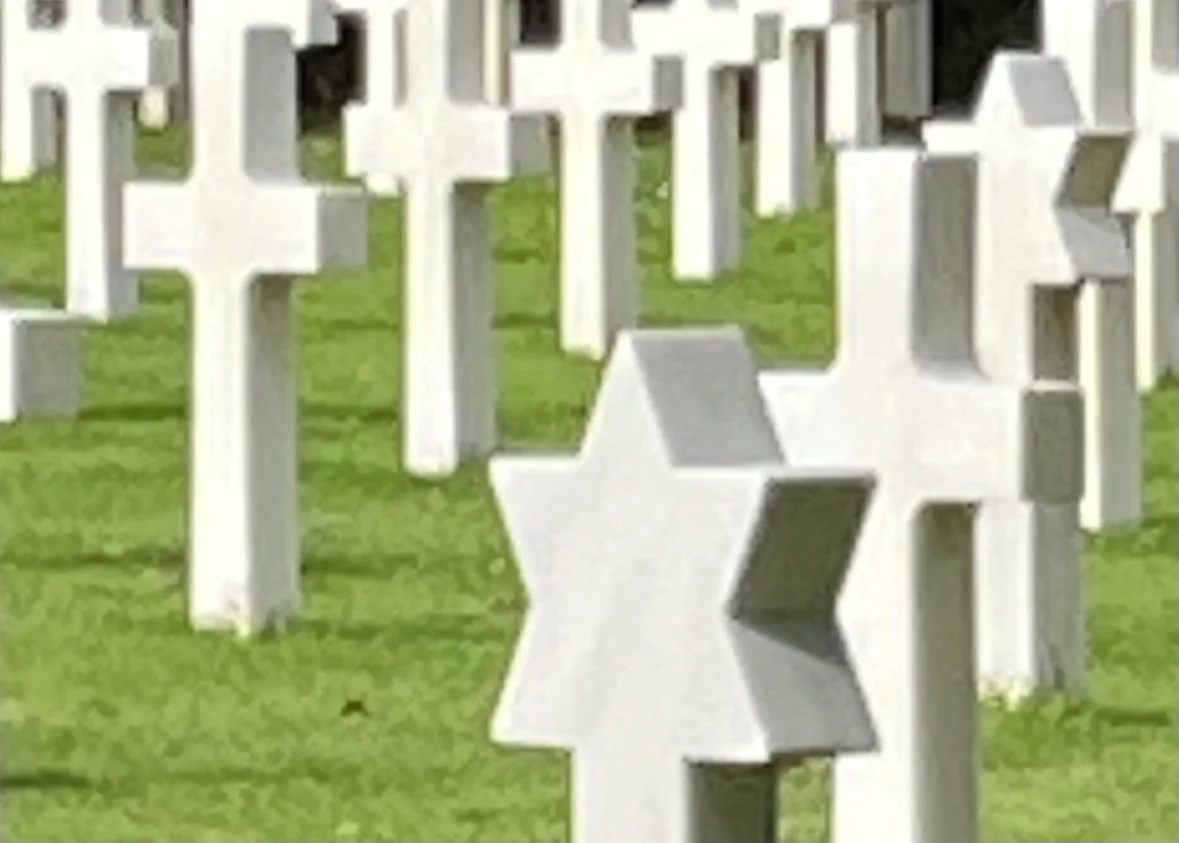
Photo 6: The graves all bear a simple Latin cross or a star of David for Jewish soldiers. I was moved looking at the rows of crosses with the occasional Star of David. With the exception of the shape of the marker, all the graves are exactly the same. None are higher or lower, none more or less fancy, none segregated. United in life for a common cause, it is fitting that the troops are all together in the cemetery as well.
Photo 7: At one end of the long, tree-filled avenue lined by the cemetery is the Pavilion. ts wall maps show the path of the Normandy Invasion, and it is crowned by this engraving:
“This embattled short, portal of freedom, is forever hallowed by the ideals, the valor, and the sacrifices of our fellow countrymen.”
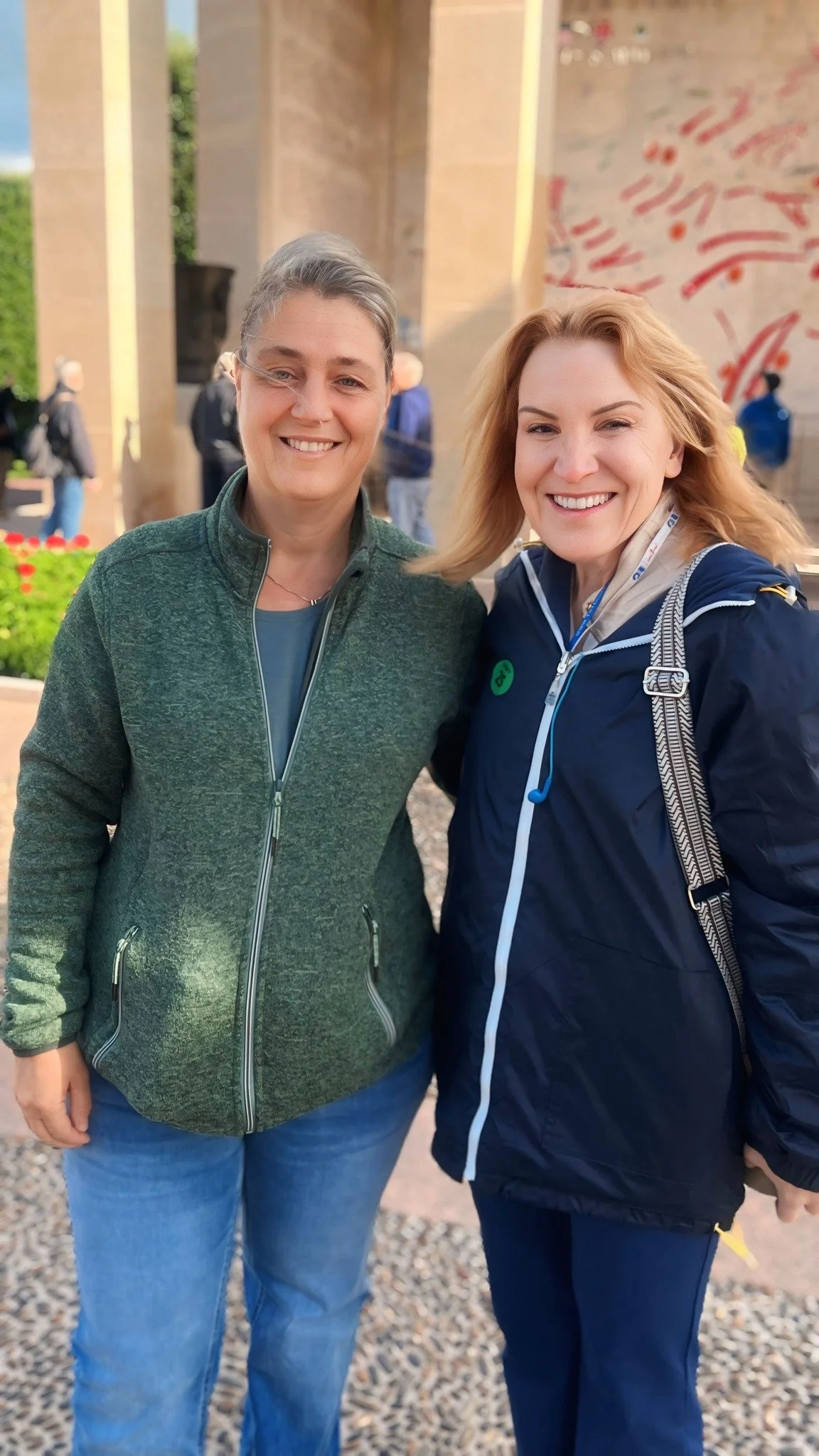
We paused and asked a woman standing nearby to take our photo. As we chatted, I learned that she is a Dutch schoolteacher, who was visiting the cemetery with 25 of her students. They take their students on a field trip to the cemetery every year. Though this woman was born a generation after those directly impacted by the war, as she talked about the coming of the Americans to the Netherlands, her eyes filled with tears.
(Photos 9-10):
The Point of the Post: First responders come in all shapes and sizes…all races, professions, backgrounds, nationalities, religious convictions and political persuasions. On 9/11, many of them were firemen, paramedics, police officers and medical personnel. And sometimes, those “first responders” to the crises in our lives are parents, children, teachers or good friends. And sometimes, like on June 6, 1944, the first responders were the 160,000 Allied troops that landed across the five beaches of Normandy. They, too, were parents, children, friends, and professionals.
Being a First Responder, I’ve decided, isn’t a matter of how experienced or decorated you are—and it doesn’t even depend on the length of time you serve. One casualty I read about yesterday was a 23-year-old auto worker who was a First Responder for exactly 23 minutes—that is how much time elapsed from the beginning of the battle until the moment he was killed. But he responded.
Today, I’m grateful for all the First Responders out there—thank you for your hard work. Thanks for your willingness. Thanks for showing up, even when you didn’t know how long you'd be there. I appreciate you all.